
What Not to Eat When You Are Pregnant
Pregnancy seems to come with a whole bunch of rules and things you suddenly need to know about taking good care of yourself and the little one growing inside you. While there are some risk factors that impact your pregnancy you have little to no control over (genetic or environmental) the one thing you can completely control is what you eat.
(A note: if you see something on this list that you’ve already had, do not panic. Odds are, there won’t be any problems for you and your little one. Your body is doing its very best to protect you both, so just make a note of it for next time.)
Not only is it important to eat healthy and nutritious foods, it’s as important to be aware of foods that are a no-go when you’re pregnant. The vast majority of foods on the forbidden list are there because they are commonly associated with food poisoning. You may have experienced the unpleasantness of food poisoning before, but when you’re pregnant, it’s particularly dangerous. That’s because pregnant women have a suppressed immune system. It’s part of what keeps your body from seeing your growing child as an invader. Since your little one’s immune system is immature, it makes both of you an especially easy target. In fact, pregnant women are twenty times more likely to get food poisoning then the general population. Food poisoning is dangerous because it can impact a developing baby and, in some cases, it can lead to miscarriage, premature delivery, or still birth.
So what does this mean for you? It means that those nine months of pregnancy are a time to pay special attention to foods that are at higher risk of bearing the most common bacteria that are associated with food-born illness--listeria, salmonella, and E. coli. Here’s a list of the foods that are the most common culprits:
Produce
This category is actually the number one source of food-borne illness.
Avoid:
- salad bars
- unwashed fruits and veggies (especially melons and sprouts). This includes bagged salads and packaged cut fresh veggies—make sure to wash them first.
- freshly squeezed or pressed raw juice. Juice is a great source of nutrients, but make sure it says ‘pasteurized’ on the label. Most bottled juice is.
Meat/Fish
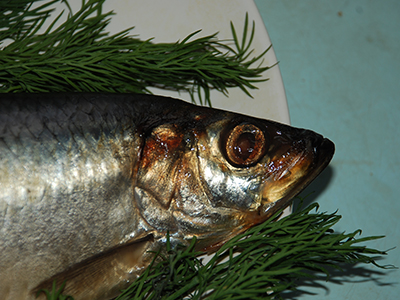
Any meat or fish that is not cooked to well-done is at risk of carrying bacteria.
Avoid:
- undercooked poultry, meat or fish (it should be cooked to 165 degrees or be steaming hot)
- raw fish, including shellfish and sushi/sashimi made with raw fish
- lunch meat from a deli (packed lunch meat is generally safe)
- fermented or dry sausage
-
Eggs
While most hens in the US are vaccinated against salmonella, some of them aren’t, including farm fresh eggs, usually. This list includes anything that might be made with raw eggs, too.
Avoid:
- Caesar dressing (unless it’s from a bottle and then make sure it’s pasteurized). Same for Hollandaise sauce.
- homemade mayo and ice cream
- raw cookie dough and raw cake batter
- eggs should be cooked until they are firm
Cheese/Dairy
Make sure all dairy products are labeled as pasteurized and skip the raw milk for the time being. Standard hard cheeses are usually fine. And things like cream cheese and cottage cheese are safe as long as they are labeled as pasteurized (which they usually are). There is a long list of soft cheeses (described as such because they have more moisture and bacteria love to live in moisture) that are off the menu for a few months.
Ones to avoid, unless labeled as pasteurized:
- Brie, feta, Camembert, Roquefort
- any blue-veined cheese
- queso blanco, queso fresco, queso panela
In addition to the foods to be careful of because of the risk of food poisoning, there are some foods that aren’t considered safe for unborn babies because of various effects on a developing little body and should be enjoyed in moderation.
Fish
Fish known to be high in mercury/PCB’s
Mercury and PCB’s are known to impact brain development. To be safe, limit these fish to 1-2 servings a week:
- tile fish, swordfish, shark, king mackerel and albacore tuna
Caffeine
In not very high amounts (greater than 200mg per day), caffeine can increase the risk of miscarriage and low birth weight. Coffee, in particular, has wildly varying amounts of caffeine, depending on the kind of bean (darker roasts have less) and how it is brewed. In general, about 2 cups of coffee a day are fine. Tea usually has less caffeine than coffee, but watch out for soda and energy drinks. (The caffeine content should be on the label.) And don’t forget food sources of caffeine like chocolate.
Alcohol
There is no safe limit known for alcohol consumption during pregnancy. Because it can impact brain development and overall growth, the consensus is to avoid any alcohol during pregnancy. However, there is not currently any evidence that occasional light use of alcohol causes any known impact, so women who choose not to avoid alcohol are advised to only have 1-2 drinks a week.
Okay, I know It seems like a lot to keep track of, but here’s the take home message: packaged, pasteurized, and in moderation. That’s it. Food in the US is considered to be the safest in the world so wash your hands, read the label, and dig in to the food that is helping to build your little one, bite by bite.